Agentic AI and Multi-Agent Systems: Rethinking Firm Operations
Agentic AI Is Reshaping How Firms Operate—Why Systems Matter More Than Ever
AI adoption is no longer about experimentation.
It is about operating models.
Recent industry research shows that 78% of executives believe they must reinvent how their organizations operate to capture the full value of agentic AI. That insight reflects a broader shift across professional services: AI value is no longer created by individual tools alone, but by how intelligence is organized, governed, and applied across the firm.
The next phase of AI adoption is not about replacing what works. It is about expanding what is possible.
Firms that treat AI as an isolated capability will see meaningful gains. Firms that design systems around it will unlock even greater leverage.
From Individual Agents to Coordinated Systems
Early AI adoption focused on clearly defined use cases—single agents performing focused tasks such as drafting, summarization, or analysis. These tools have proven valuable, and they continue to play an important role in day-to-day work.
However, as firms look to apply AI across more of the organization, new opportunities begin to emerge.
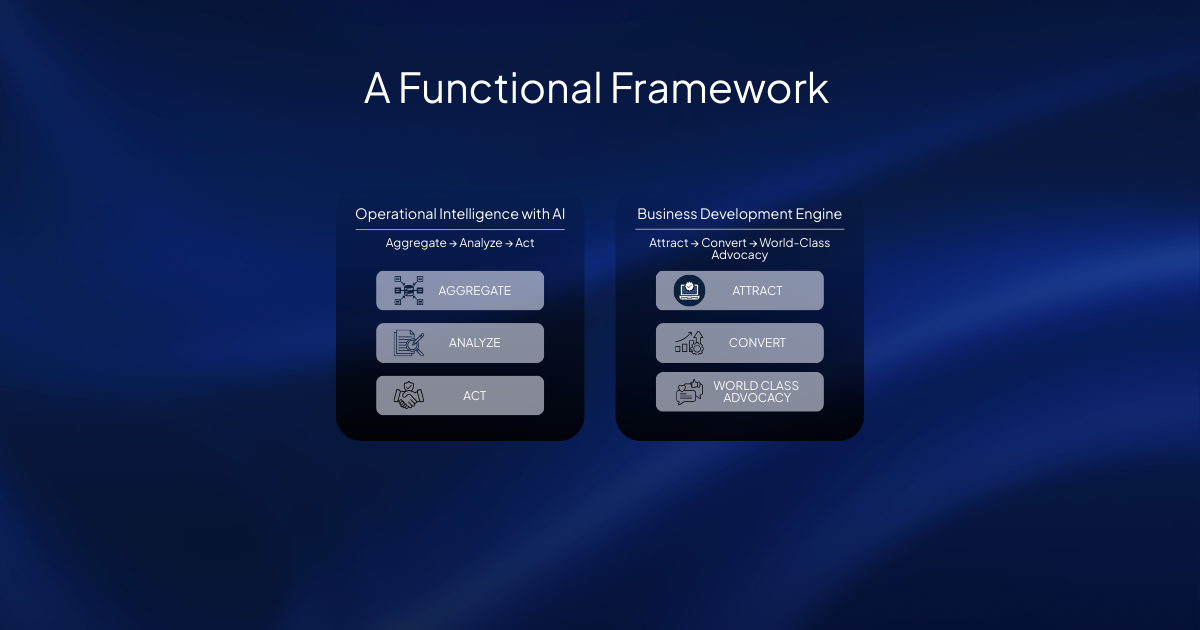
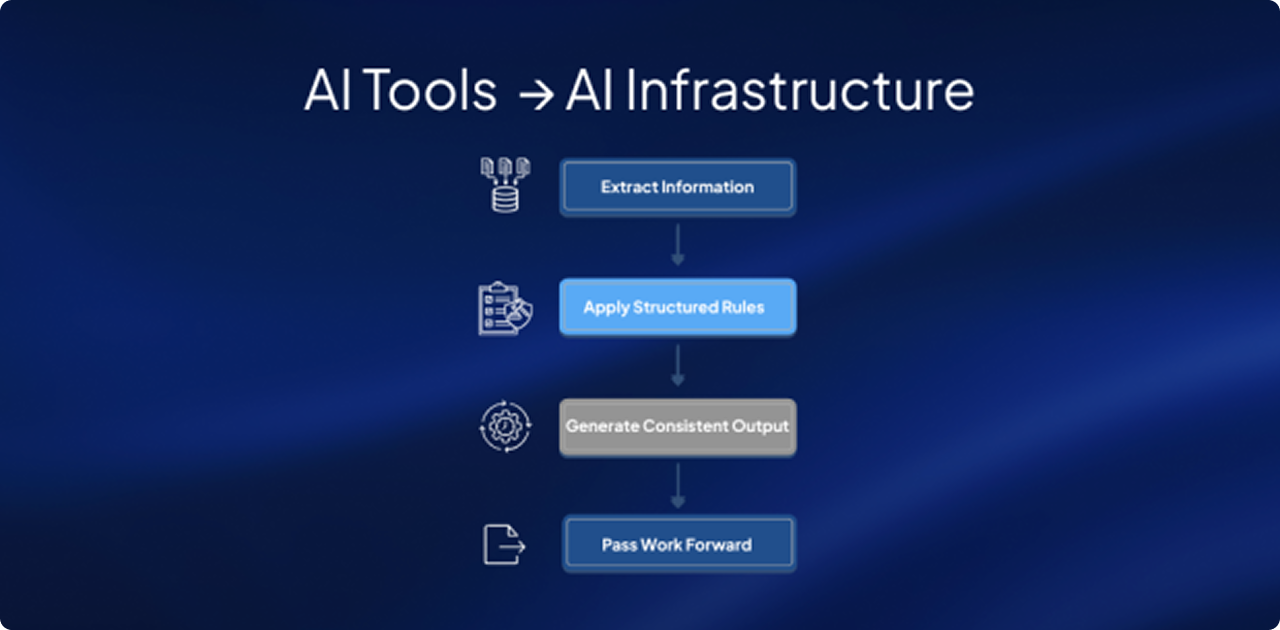
Rather than relying on one agent at a time, firms are increasingly designing multi-agent systems, where specialized agents operate together across workflows such as intake, documentation, analysis, and communication. Each agent maintains a specific responsibility, while contributing to a shared system designed to support consistent execution.
This approach allows firms to:
- Improve consistency across work product
- Increase execution speed while reducing friction
- Minimize unnecessary handoffs between steps
- Build intelligence that compounds as the system is used
At this stage, AI evolves from a helpful capability into a form of operational infrastructure—supporting how work moves through the firm, not just how individual tasks are completed.
Why Governance Must Be Built In
As AI systems become more capable, governance becomes a core design requirement.
This is where governance-as-code plays a critical role.
Instead of relying solely on written policies or manual oversight, governance-as-code embeds rules, permissions, and safeguards directly into the system itself. This ensures that AI agents operate:
- Within clearly defined boundaries
- In alignment with firm standards and expectations
- With built-in security and compliance controls
- In ways that support responsible scale
For firms operating in regulated or client-sensitive environments, governance is not about slowing innovation. It is about enabling confidence—allowing teams to expand AI usage while maintaining control, accountability, and trust.
The Opportunity: Designing the Operating Model
Agentic AI does not create its greatest value by simply accelerating tasks.
Its real impact comes from shaping how work is coordinated, how decisions are supported, and how expertise is applied consistently across the organization.
Firms that thoughtfully design workflows, roles, and decision pathways around AI systems are able to realize benefits that extend beyond efficiency. They create operating models that support clarity, repeatability, and scale.
This shift encourages leadership teams to consider important questions:
- How does work move from start to finish across the firm?
- Where should judgment remain human, and where can systems provide support?
- How can intelligence be shared across teams without increasing risk?
- How do we design systems that improve over time?
The answers to these questions shape how AI contributes to long-term performance.
Looking Ahead
The future of AI adoption is not about choosing between individual agents and systems.
Both matter.
Solo agents provide speed, focus, and immediate value.
Multi-agent systems extend that value across workflows and teams.
Governance-as-code ensures that growth remains aligned, secure, and sustainable.
The firms that gain the most from agentic AI will be those that take a deliberate approach—building operating models that allow intelligence to work together, improve continuously, and support people at every stage of the process.
That is where AI moves from capability to advantage.
―
Stay Ahead with AI-Driven Legal & Healthcare Innovation
Read more insights on the FasterOutcomes Blog.
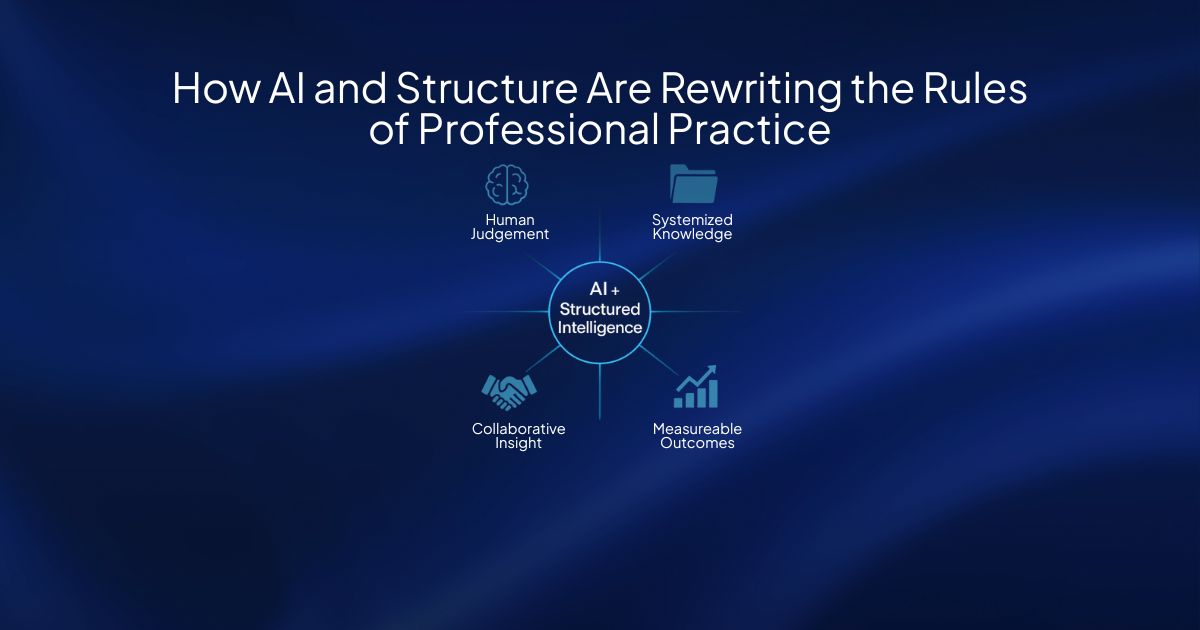
Read More:- How AI and Structure Are Rewriting the Rules of Professional Practice